

A Gen Z Perspective on Packaging and Branding
I'm spending my summer as a strategy intern at Sterling, a consumer branding firm specializing in package design. Being immersed in the work has sharpened my thinking attention on how my generation relates to the products we buy. As a member of Gen Z — a cohort often labeled as fickle when it comes to brand attachment — I've seen firsthand how packaging has become part of our personal brand.

The Best Ideas are Human
This is your reminder to unplug and let your brain do its thing.
In a sea of advice on how to “master AI,” we’re missing something obvious: AI is a flattener, providing the same obvious solutions to every user. It helps us work faster, organize complex information, and smart use of it is essential for modern work. But to win, we will need to be bold, unexpected, and inspiring.

Smarter, Faster, Still Human
Our work at Sterling as designers, strategists, and consultants flourishes in the context of our relationships with clients and their brands. Each of these relationships is nurtured by a series of conversations that span from the serious to the silly to the sublime. Taken in total, this ongoing back-and-forth with our clients serves as the fertile soil in which meaningful and effective work can take root.
Today, the conversations increasingly (and unsurprisingly) turn to artificial intelligence and how every organization is wrestling with its potential, its integration, and the uncertainty of its long-term impact. While it’s fair to question how creativity and judgement will co-exist with LLMs, at Sterling we’re choosing to learn by doing. While the tech evolves daily, we’ve committed to a philosophy that is focusing our efforts:

The Heritage Igniter Approach
A redesign can ignite a stagnant heritage brand, but only if it's strategic, not just a facelift. Many heritage brands won't admit this, but stagnation isn't stable. It's decline in slow motion.
I see three camps right now. You can see them everywhere, from Pepsi to Kraft, but not all redesigns are created equal.

You've Mastered the Product. Now Master the Meaning.
Companies with a manufacturing mindset obsess over specs, efficiency, and continuous improvement. They're deeply expert in their own logic — engineering, capabilities, features — but often less fluent in customer logic: what people actually value, what drives their choices.
It's not a flaw. But at a certain point, it becomes a wall.
The question stops being, How do we make a better product? and starts being, Do we really understand what customers value — and does the market understand the value of what we do?
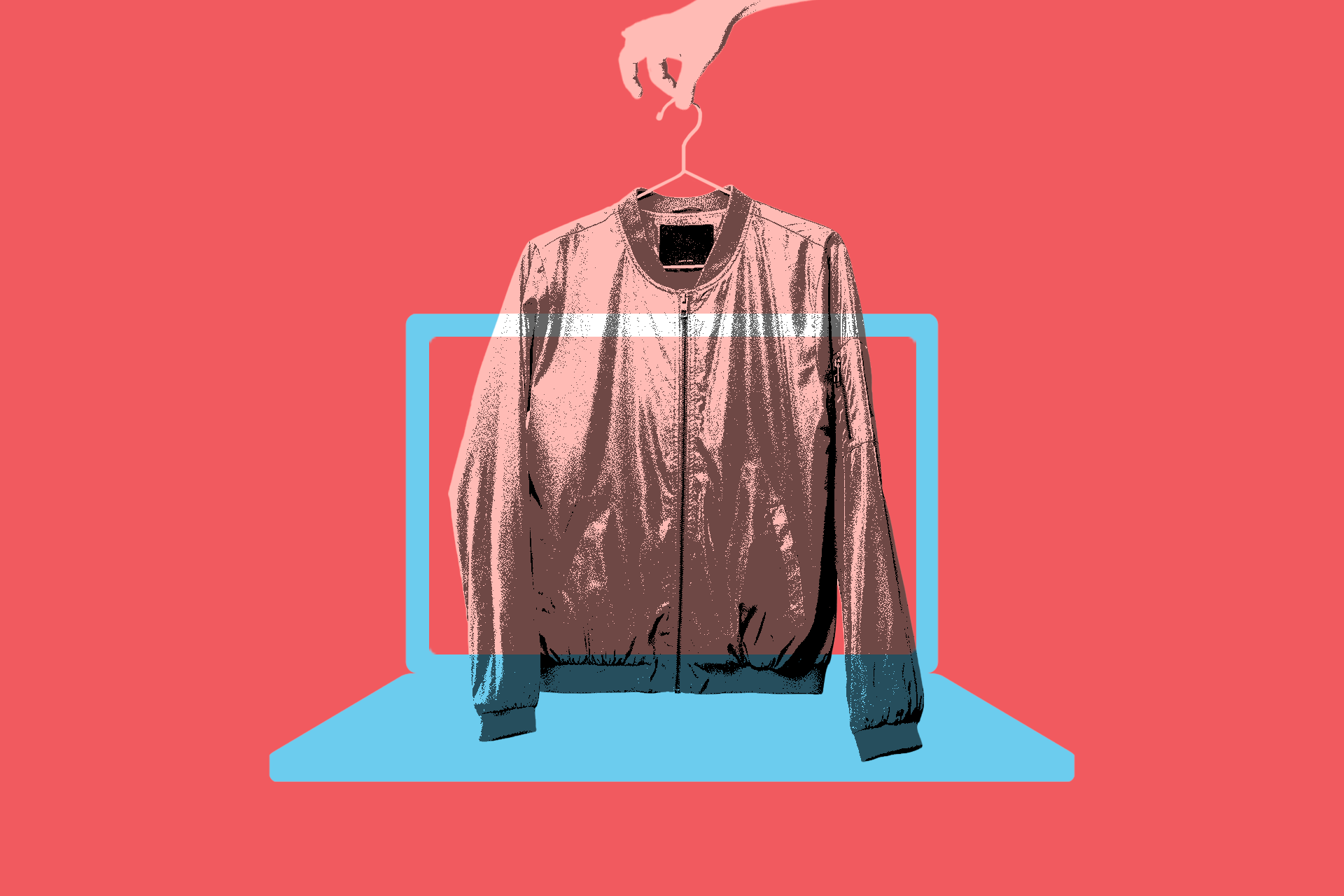
The Quince Recipe for Success: One Portable Idea, Disciplined Testing and Restrained Expansion
By the time I caught myself, I'd basically filled a cart across four entirely different categories. And here's what struck me: I wasn't experiencing Quince as a "lifestyle brand" in the traditional sense (see: Ralph Lauren and Martha Stewart). I was making a series of rational decisions based on one consistent logic: high quality products, no markup theater, delivered right to my door.
Which is precisely why CPG brands — and the retailer-owned brands that compete alongside them — should pay attention to the Quince playbook.
Quince has cracked something that matters: the trust anchor plus experimentation pattern. They've built deep credibility around a single, portable value proposition — radical transparency on factory costs, quality benchmarking, and price clarity. That's their anchor. It's what makes me believe their cashmere sweater claims before I ever try one on.

Rethinking Brand Architecture: A Strategic Imperative.
A few years back the peerless ketchup brand Heinz began to appear in all sorts of new (and seemingly odd) aisles, everything from baby food to microwave meals. No doubt the moves made sense inside the corporate HQ of two recently-merged CPG behemoths — streamline operations, boost sales, leverage a famous name. But the result was confusion at the shelf and erosion of brand meaning. One executive told the Wall Street Journal: “We were chasing too many opportunities and lost sight of what made Heinz special.” Said differently: When brand architecture is driven by internal goals over consumer clarity, even icons can lose their way.

From the Big Screen to the Grocery Shelf: Are Celebrity Meals Here to Stay?
A recent Dieline article by Chloe Gordon examines the rise of celebrity-founded brands and questions their authenticity, often highlighting instances where branding decisions appear borrowed or unoriginal. It discusses how fame provides a marketing advantage but doesn’t always guarantee meaningful involvement or innovative products. The piece suggests that for celebrity brands to succeed in the long term, they must prioritize intentionality and genuine engagement over mere star power.

Grocery Stores: The Ultimate Travel Destination for the Culturally Curious
Summer travel is here, and while locals continue their routine grocery shopping, seasoned travelers know that grocery stores, whether local, national, or international, offer a unique cultural experience. While some tourists immerse themselves in museums or dine at popular restaurants, the true essence of a place lies in its everyday flavors.

In tough times (and snacking!), nostalgia emerges as the great unifier
In tough times (and snacking!), nostalgia emerges as the great unifier

Are you ready to share your plate with your pet?
Are you ready to share your plate with your pet?
The blurring lines between your food and your pet's.


5 Key Predictions for Trends at Natural Products Expo West 2025
5 Key Predictions for Trends at Natural Products Expo West 2025

Mindful Consumption: The Age of Slow and Soft Living
The emphasis on mindfulness and intentionality within the slow living movement has significantly influenced Gen Z's buying decisions.

A Word From Our Interns
We asked each of our Spring 2024 interns about their experience joining the Sterling team!

A Heartfelt Goodbye
Wishing Jean Campbell a wonderful retirement and congratulations on an amazing career!

Why Face-to-Face Time Beats Facetime
Don’t get lazy and just default to virtual because it is easier. Find times to go live and it will keep the relationship and the work alive!

Building Bridges: Timeless Brands Connect Through Authenticity
By understanding their brand's essence and staying attuned to consumer needs, companies can build lasting connections that span generations.

Brands in The Time of Babies
We’re saying “bye bye” to baby brands and products that feel misaligned with our values or aesthetic and going all in on brands that are built for us, not just our babies.